

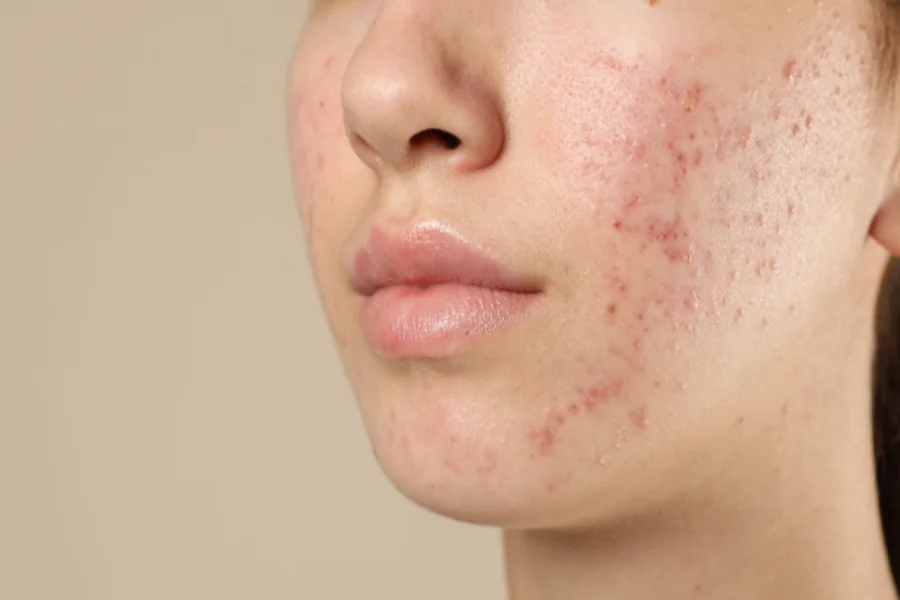
Skin trouble rarely starts dramatically. More often, it creeps in. A patch of redness settles, then returns a week later. An itchy area appears every evening. Spots keep flaring despite changing cleansers, cutting back on makeup, or trying the pharmacy aisle one tube at a time. That slow, frustrating pattern is usually the clue that matters most.
Why recurring skin issues deserve a closer look?
When a symptom keeps coming back, the question is not just what it looks like, but why it behaves in cycles. A private dermatologist in London can assess whether the trigger is inflammatory, allergic, infectious, hormonal, or simply tied to daily habits such as sweating, shaving, friction, or overusing active skincare.
That distinction changes everything. A cream that soothes eczema can aggravate a fungal infection. What seems like acne may turn out to be rosacea, folliculitis, or a reaction to medication. A flaky scalp may point to psoriasis, seborrhoeic dermatitis, or irritation caused by hair products. Without a proper specialist skin assessment, many people spend months treating the wrong problem.
What counts as persistent or recurrent?
A simple rule helps: if a skin issue does not fully settle, or settles only to come back, it deserves another level of attention.
Several signs usually justify that next step:
- A rash that lasts more than a few weeks
- Redness, bumps, or spots that keep returning
- Itching, burning, or soreness that affects sleep or daily comfort
- Skin changes that spread, darken, crust, bleed, or become painful
- Repeated flare-ups despite pharmacy treatments or product changes
- Acne, eczema, or scalp problems that leave marks or affect confidence
Skin rarely stays still when it is irritated repeatedly. Scratching can break the surface, sleep can suffer, and visible marks may linger longer than the flare itself. On darker skin tones especially, post-inflammatory pigmentation can become the part people struggle with most.
What a specialist assessment can uncover?
Recurring skin complaints often feel random until someone asks the right questions. Did the rash start after a new detergent? Does it worsen after exercise, stress, heat, or synthetic clothing? Is it linked to jewellery, shaving, cosmetics, or frequent handwashing?
Those details sound ordinary because they are ordinary. Yet they often explain the whole cycle. Fragrance in moisturiser, nickel in earrings, sweat trapped under gym wear, strong exfoliating acids, or harsh cleansers used twice a day can quietly keep the skin inflamed.
A specialist also looks for warning signs that should not be left to trial and error. A mole changing shape, a sore that does not heal, or a rash linked to swelling or fever belongs in a different category altogether. In those cases, experience is not a bonus. It is the safeguard.
When self-treatment stops being useful?
Most people do not book a specialist after the first flare. They switch to a gentler cream, then a stronger one, then stop everything because the skin starts stinging. For a few days, it seems better. Then the irritation returns.
That pattern is common with steroid creams too. Used too often, too briefly, or on the wrong condition, they can blur the picture instead of solving it. That does not mean the person has managed things badly. It usually means the diagnosis was never clear enough from the start.
Once several half-used products are sitting in the bathroom and none has fixed the problem, guesswork has probably gone far enough.
What patients often gain from a private dermatology appointment?
The biggest benefit is clarity. Not a miracle overnight, but a diagnosis that makes sense and a treatment plan built around the person, the trigger, and the way the skin actually behaves.
That often includes:
- A clearer idea of what is driving the flare-ups
- Treatment aimed at the cause, not only the visible symptom
- Practical advice on cleansing, shaving, cosmetics, and trigger avoidance
- A plan for calm periods as well as active flares
- Faster access to prescription treatment or follow-up if needed
For anyone living with a persistent skin condition or a recurrent skin rash, that structure can feel like a reset. Skin problems are visible, uncomfortable, and mentally tiring when they keep returning. At a certain point, waiting and testing another product stops being reasonable. Specialist assessment becomes the practical next step.
