

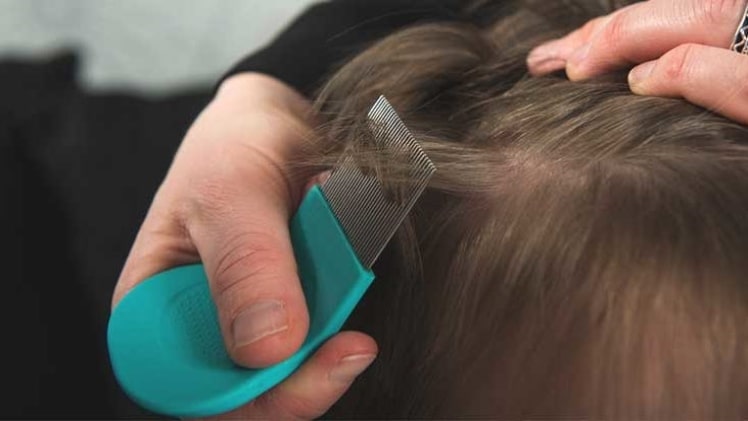
Head lice is an uncomfortable and low-severity disease common in childhood, especially among children who attend daycare centers and kindergartens.
When they start kindergarten, the child’s risk of “catching lice” increases; small animals are very itchy on the scalp and are transmitted by direct contact between two people. The disease can affect babies; however, it is more common in children between four and 11.
Head lice are blood-sucking parasites that live and reproduce on the surface of the skin and hair. They are black and wingless and walk through the scalp. They are more challenging to identify than nits, the eggs of the louse (white dots that cling to the strands of hair).
The parasitosis caused by lice, called pediculosis, is one of the public health problems that most concerns pediatricians. Bad habits of body hygiene, living in the school environment, and resistance to the agents used in the treatment are the multiple factors that cause the spread of the parasite.
Pediculosis affects children from all social classes who attend public daycare centers or private schools in any region.
Pediculosis Symptoms
Severe itching on the scalp, especially on the back of the head, reaching the neck and trunk.
- Reddish spots that resemble mosquito bites;
- rash on the back of the neck;
- Feeling that something is moving in the scalp;
- Presence of head lice and nits.
How To Detect The Presence Of Lice
Head lice can be difficult to detect, even when the head is carefully inspected. The size of small insects can range from a pinhead to the size of a sesame seed. The only way to ensure that a child has pediculosis is to find a live louse by combing their hair with a special fine-toothed comb.
How To Treat Pediculosis
The treatment includes washing the hair with specific shampoos and lotions for pediculosis lice san Antonio lice treatment for example. In some cases, oral medication prescribed by the dermatologist may be necessary. All lice and nits must be removed with a fine-tooth comb or manually, one by one, as the medications do not kill the parasite’s eggs. This work must be done by the parents or guardians of the child.
Everyone who lives with a child with head lice should be examined and treated if necessary. If your child has the disease, it is essential to notify the school so that other parents can inspect the other children and the transmission cycle is interrupted.
How To Prevent Pediculosis
Ideally, avoid sharing clothes, towels, hair accessories, and other personal items. In addition, direct contact with people infected with lice should be avoided. Children are the biggest victims, especially when they attend school. It is recommended that they are always examined and use a fine-tooth comb to prevent the infestation from spreading. This should be done fairly often, even when there is no sign of a louse. Wearing your hair up at school is also a way to avoid the disease.
Important When Treating Head Lice: Everything At The Right Time
For the successful treatment of head lice with san Antonio lice treatment for instance, all treatment steps must take place at a specific point in time, which considers the development cycle of head lice. Only then can you be sure that the adult head lice and the last hatched lice will be removed.
Therefore, proceed according to the following treatment regimen:
- Day 1 (the day the head lice were discovered): Treatment with a lice agent and then wet combing (see above).
- Day 5: Wet combing to remove early hatched lice.
- Day 8, 9, or 10: Second treatment with a lice agent to kill late-hatched lice; then wet combing.
- Day 13: Check-up by wet combing.
- Day 17: Possibly last check by wet combing (especially if the infestation was extreme).
